
Delve into the intricacies of fishing, particularly at 69o, examining techniques, challenges, and the broader impact on culture and economy.
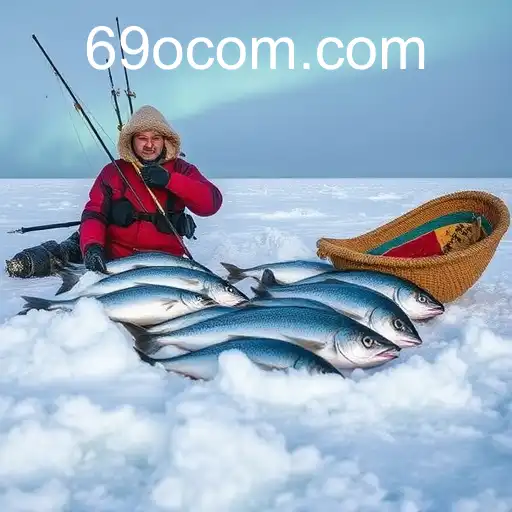
Pesca: A Timeless Tradition at 69o
Fishing, or pesca, has been an integral part of human culture for centuries, providing food, livelihood, and recreation to countless communities around the world. At the heart of this tradition lies a unique and challenging pursuit—fishing at 69o, a latitude marked by both its geographic specificity and the particular challenges it presents.
Understanding 69o Latitude
The 69o latitude line slices through some of the most enigmatic and demanding fishing locales. It spans across northern circumpolar regions of the globe, encountering countries like Norway, Sweden, Canada, and Russia. This latitude is characterized by its severe weather conditions, extreme temperatures, and the pristine, icy waters that are home to distinct aquatic species.mink-pg
The Challenges of Fishing at 69o
Fishing at such a high latitude requires not only technical skill but also an understanding of the particular environmental challenges present. The extreme cold can influence both equipment performance and human endurance. Ice, wind, and erratic weather patterns often make fishing expeditions unpredictable and arduous. These challenges are met with a combination of modern technology and traditional techniques to effectively harvest the ocean’s bounty.
Advanced equipment like sonar and GPS has revolutionized fishing at these latitudes, allowing pescadores to locate and target fish populations more efficiently. However, the successful capture often still depends on age-old skills, honed by generations of experts who have passed down their knowledge on navigating tricky waters and decoding the ice-bound environment.
Techniques and Practices
Depending on the region, various techniques are employed by pescadores to capture their prize. Trawling, longlining, and gillnetting are common, yet each comes with an adaptation to suit the frigid waters and specific species found at 69o. The northern lights provide unique night-time illumination, while the extended summer daylight offers prolonged fishing hours, each requiring adjustments to traditional approaches.
Trawling: A Detailed Approach
In the icy depths of the Arctic seas, bottom trawling is frequently utilized for its efficiency and ability to capture large volumes of fish such as cod and haddock. This method involves dragging a large net along the sea floor, requiring sturdy construction to withstand freezing temperatures and rugged terrain.
Longlining and Its Impact
Longline fishing is another method employed in these regions, especially in Norwegian waters. This technique involves setting out lengthy lines equipped with numerous baited hooks, targeting species such as halibut and turbot. The technique is valued not only for its selective targeting but also for its reduced impact on non-target species compared to trawling.pk888
Economic and Cultural Significance
The economic and cultural impact of pesca at 69o is extensive. For many indigenous and local communities, fishing represents a primary source of subsistence and trade. Caught fish are exported to global markets, culminating in a significant contribution to the local economies. The industry supports numerous jobs, ranging from fishing and processing to transportation and sales.
Cultural Heritage
For the indigenous populations, fishing is more than a means of earning a livelihood; it is a cultural cornerstone. Traditional festivals celebrate the bounty of the sea, and the skills required to thrive in such harsh conditions are passed down through stories and practices.06A
These cultural practices are often intertwined with environmental stewardship, given that communities have thrived alongside these ecosystems for centuries. Sustainable fishing practices have always been part of the cultural ethos, balancing the need for socioeconomic gain with ecological preservation.
The Future of Pesca at 69o
While the act of fishing at 69o carries with it a blend of tradition and technology, the future poses a series of profound questions and opportunities. Climate change presents both challenges and potential benefits to these northern fishing zones. Warming waters could alter fish migration patterns and breeding grounds, potentially opening new areas for pesca while also placing stress on existing stocks.93j
Moreover, the push for sustainable practices is more prominent than ever, with organizations advocating for tighter regulations and protected marine areas. Balancing economic interests with the imperative to conserve natural resources will require cooperation among governments, local communities, and global partners.
With these factors in mind, the rich tradition of pesca at 69o—rooted in history, reliant on nature, and embracing modern innovation—continues to adapt and evolve, exemplifying a delicate yet enduring relationship with the sea.
987h